North Carolina is incredibly biologically diverse, serving as home to a wide range of native snake species. While the vast majority of these snakes are completely harmless and play a hugely beneficial role in our local ecosystem by controlling pests, a select few species are venomous and demand respect. This page is designed to provide you with reliable resources and safety guidance, though it should never be used as a substitute for professional, on-site identification.
Snakes Are Part of North Carolina's Wildlife
Snakes are a natural part of North Carolina's environment. They help control rodent and insect populations and play an important role in the food chain. Most snake species in the state are nonvenomous and not aggressive toward humans.
However, encounters near or inside homes understandably cause concern. The important thing is to respond safely rather than reactively.
Lakefront homeowners often ask whether the snake by the dock is a water moccasin. Our guide to water snakes and water moccasins at Lake Norman explains what NC Wildlife says about their range and how to tell them apart from a distance.
Why You Should Not Handle an Unidentified Snake
If you encounter a snake and aren't sure what it is:
- Keep your distance - observe from at least 6 feet away
- Do not approach for a closer look or photo
- Do not try to pick it up, pin it, or trap it
- If it's inside your home, close the room door and call a professional
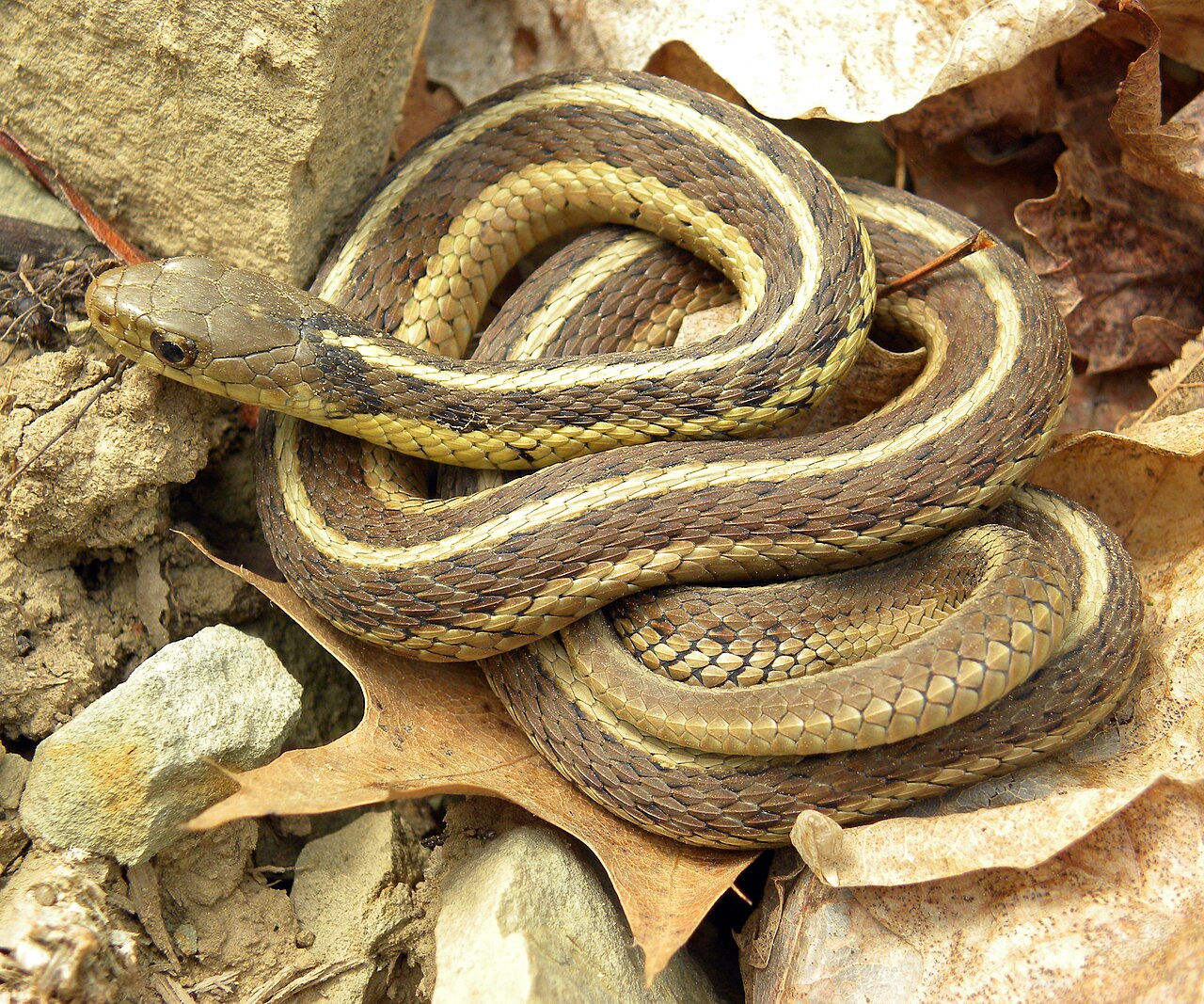
Where to Find Trusted North Carolina Snake Information
Rather than relying on social media or amateur identification guides, use these authoritative sources:
NC State Extension
Comprehensive snake guide covering species, behavior, prevention, and safety.
NC Wildlife Resources Commission
Species profiles with safety guidance and habitat information, plus what to know about copperhead removal.
NC Poison Control
In case of a snakebite, call Poison Control at 1-800-222-1222 or dial 911 immediately.
What to Do if a Snake Is in Your Home
If you find a snake inside your home, follow these steps:
- Stay calm and keep everyone (including pets) away
- Do not attempt to handle or trap the snake
- Close the room door and place a towel at the base
- Call a professional for safe removal
For detailed guidance, read our complete snake safety guide.
Need help with a snake in Mooresville?
If you've encountered a snake on your property and need professional help, call (844) 595-3326.
Our Snake Removal Service