There's nothing quite like the shock of turning a corner in your own hallway and coming face-to-face with a snake. While it's incredibly alarming, staying calm and keeping your distance is the most important first step you can take. Fortunately, the vast majority of indoor snake encounters in our area can be resolved safely and quickly when you know what to do next.
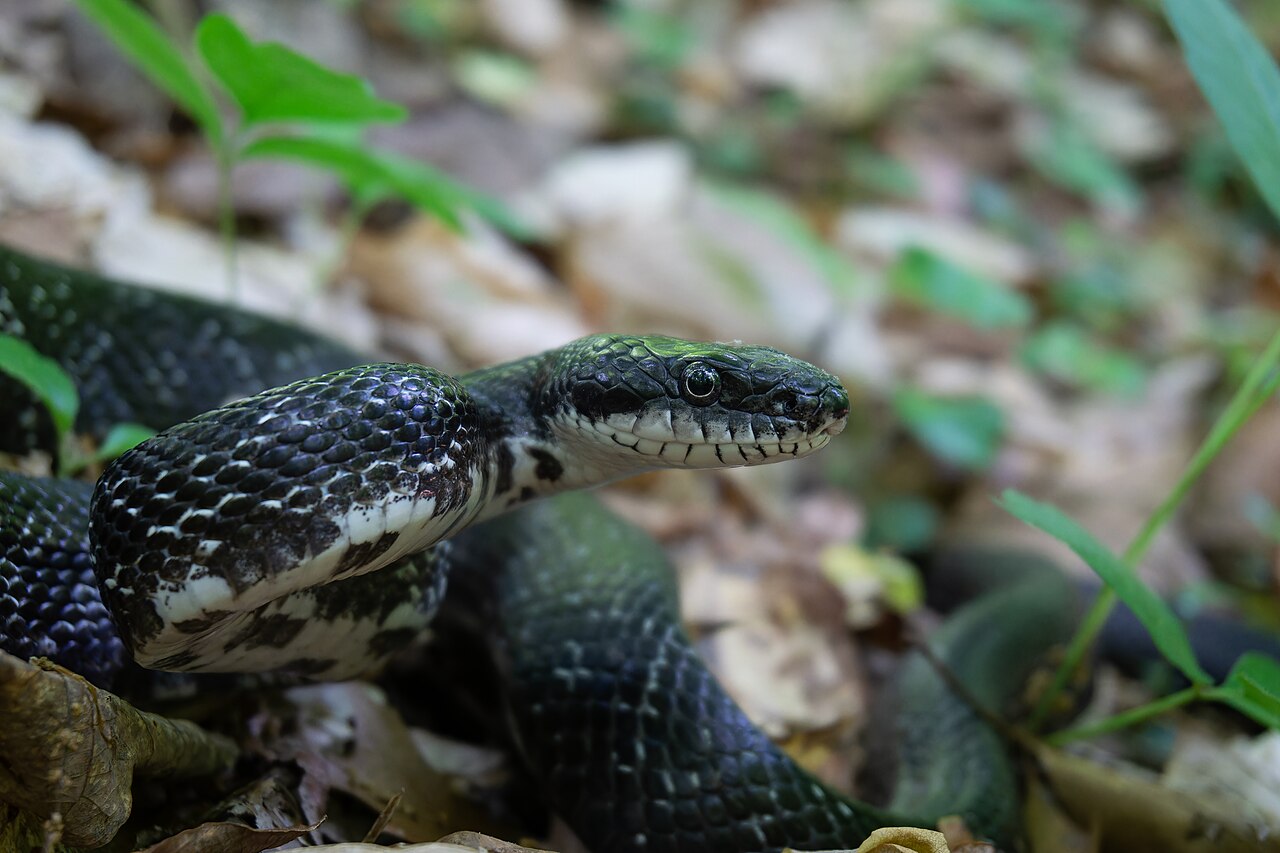
Keep People and Pets Away
Move everyone - including children and pets - to a different area of the home. Keep a safe distance from the snake. Most snakes will try to avoid you; they are not looking for confrontation.
- Back away slowly if you're close to the snake
- Move children and pets to another room
- Close the door to the room where the snake was seen, if possible
- Place a towel along the bottom of the door to contain it
What Not to Do
- Try to grab, trap, or pin the snake
- Attempt to kill the snake - this increases bite risk significantly
- Try to identify the snake at close range
- Use unverified home remedies or repellents
- Assume a snake is nonvenomous based on appearance alone
NC State Extension advises against handling any snake when the species is uncertain or suspected to be venomous.
When to Contact a Wildlife Professional
Call a qualified wildlife removal professional if:
- A snake is inside your home and you want it removed safely
- You cannot identify the species
- The snake is in a hard-to-reach area (crawlspace, attic, wall)
- You've seen multiple snakes or evidence of ongoing activity
- You want your property inspected for entry points
What Happens After You Call Mooresville Snake Removal
When you contact us, here's what to expect:
- Describe the situation: Tell us where you saw the snake, when, and whether it's still visible
- A local company is put through: it gives you its price and arrival time before anything is booked
- Assessment on arrival: Our technician assesses the situation, identifies the species when safe, and explains your options
- Clear pricing: You receive a quote before any work begins
- Safe removal: We remove the snake using professional techniques
- Prevention recommendations: We advise on steps to reduce future encounters
Frequently Asked Questions
Should I leave the snake alone?
Yes, if you can safely move away from it and close it in a room. Many snakes will leave on their own if given an exit path. However, if the snake is in a living area, a crawlspace, or you're concerned about the species, calling a professional is the safest choice.
Can I send a photo to identify the snake?
Only take a photo from a safe distance - never approach the snake for a closer look. Photos can sometimes help, but accurate species identification often requires professional assessment. Do not rely on photo-based identification to determine whether a snake is dangerous.
What should I expect when I call a local professional?
A professional should explain their process, provide estimated timing, and give you a clear quote before beginning work. They should not pressure you into unnecessary services.
What If the Snake Disappears Before Help Arrives?
This happens more often than you'd think. You spot the snake, you call for help, and by the time you look back, it's gone.
Don't panic. The snake hasn't vanished into thin air. It's found somewhere dark and quiet to hide: behind the dryer, under a couch, inside a closet, near the water heater. They're drawn to warmth and tight spaces where they feel protected.
The best thing you can do is close the door to that room and stuff a rolled towel under the gap at the bottom. That keeps the snake contained to one area, which makes the professional's job a lot easier. Make a mental note of exactly where and when you last saw it. Even small details help us narrow the search quickly.
One thing we'd caution against: don't start placing glue traps around the house on your own. They're useful tools in the right hands, but placed incorrectly they catch pets, lizards, and other non-target animals. If monitoring is needed, we'll set that up properly during our visit.
Why Do Snakes Enter Homes in the First Place?
Here's something most people don't realize: when a snake shows up inside your house, it's almost never random. That snake followed something in. Usually, it's food.
Mice and rats are the number one draw. If you have rodents in your crawlspace, attic, or walls, snakes will follow them right through the same gaps. We've lost count of how many times a homeowner called us about a snake problem that turned out to be a rodent problem they didn't even know about.
The other big factor is simply gaps in the structure: cracks in the foundation, unsealed spots around plumbing pipes, garage doors that don't sit flush to the concrete. These are open invitations. Crawlspace vents with torn screens are another one we see constantly in older Mooresville homes.
Then there's the seasonal factor. Spring and fall are peak times. In spring, snakes come out of brumation hungry and hunting. In fall, they're looking for warmth before winter sets in, and your heated crawlspace or basement looks pretty attractive. That's why we recommend a property inspection after any removal, to figure out the "how" and the "why," not just deal with the symptom.
Common Myths About Snakes in Homes
If you've Googled anything about snakes inside a house, you've probably come across some terrible advice. Let's set a few things straight, based on what the NC State Extension actually recommends and what we see in the field every week.
Mothballs don't repel snakes. This is probably the most common myth we encounter. Mothballs contain naphthalene, which is toxic to you, your kids, and your pets. They don't work on snakes, and using them as a pesticide actually violates federal labeling laws. Just don't do it.
Neither does sulfur, cinnamon oil, or any other "natural repellent." We know it's tempting: sprinkle some powder around the house and call it done. But no commercially available snake repellent has been scientifically proven to work. The only thing that reliably keeps snakes out is physically sealing the gaps they're using to get in.
"I saw one, so there must be a nest." Not necessarily. A single snake could have wandered in through an open garage door or a gap it found while hunting. That said, if you're seeing multiple snakes over a short period, that does suggest something is attracting them, usually a food source like rodents, or a consistent entry point that's being used repeatedly.
And one more: most snakes in North Carolina are not dangerous. NC Wildlife counts 38 snake species in the state and says most are harmless to people. The copperhead, the most common venomous snake in North Carolina, is the one to know; our page on copperhead removal covers what to do when you find one.
Need a snake removed in Mooresville?
Call (844) 595-3326 to reach Mooresville Snake Removal.
Emergency snake removal in Mooresville